Category: Uncategorized

  • Booking a Labuan Bajo Liveaboard in 2026: What to Know (Part 10)

    As the Komodo National Park caps daily entries at 1,000 visitors in 2026, planning your Labuan Bajo liveaboard adventure has never been more crucial. Here’s everything you need to know!

    Understanding the New Entry Regulations

    Since April 2026, the Komodo National Park has introduced stricter regulations to preserve its stunning natural environment. With a cap of 1,000 visitors per day, it’s essential to plan your trip well in advance. Every visitor must secure an entry ticket linked to their passport, costing IDR 650,000 per person. This initiative aims to protect the unique ecosystems while ensuring an enjoyable experience for visitors.

    Best Time to Book Your Liveaboard

    For those dreaming of exploring the enchanting underwater world, the dry season from April to November is the ideal time for a Labuan Bajo liveaboard. During these months, the weather is typically calm, offering perfect sailing conditions and crystal-clear waters for diving and snorkeling.

    Pricing Overview

    When planning a Labuan Bajo liveaboard trip, understanding the cost is vital. Here’s a breakdown of what you can expect:

    • Shared Cabin Trips: Prices range from IDR 3.55 million to IDR 12.5 million per cabin, depending on the amenities and duration of your trip.
    • Private Charters: Ideal for families or groups, these can cost between IDR 52 million to IDR 280 million, depending on the size of the boat and additional services.

    Choosing the Right Operator

    With various companies offering liveaboard experiences, choosing the right operator can significantly impact your trip. Look for operators with good reviews, experienced crews, and a commitment to sustainability. A highly recommended option for an unforgettable experience is Labuan Bajo Liveaboard, which provides a comprehensive guide to liveaboard cruises departing from Labuan Bajo.

    Booking Process

    Once you’ve settled on an operator and the type of trip you wish to take, the next step is to book your liveaboard. Most operators require a 50% deposit to secure your reservation. The remaining balance is typically due 14 days before departure. Ensuring your booking is timely is crucial, especially during peak seasons when spaces fill up quickly.

    Tips for a Smooth Experience

    • Be Flexible: Although the dry season is recommended, weather patterns can be unpredictable. Being flexible with your travel dates can help ensure a smoother trip.
    • Pack Wisely: Bring essentials such as dive gear (if you have your own), sunblock, and light clothing. Don’t forget your passport and any necessary travel documents!
    • Stay Informed: Regularly check updates regarding entry regulations or any changes to the daily visitor cap to avoid last-minute surprises.

    Exploring Beyond Komodo

    If you’re considering extending your adventure beyond Komodo National Park, Raja Ampat is a dream destination. Its prime season runs from October to April, with foreign park fees set at IDR 1,000,000 per person. To reach this stunning archipelago, you’ll need to fly to Sorong, which offers a different yet equally mesmerizing experience of Indonesia’s marine biodiversity.

    Takeaway

    Booking a Labuan Bajo liveaboard in 2026 requires careful planning and awareness of new entry rules. By considering the right season, understanding pricing, and choosing a reputable operator, you can ensure a memorable experience navigating the breathtaking waters of Komodo National Park. Don’t forget to enjoy every moment of your adventure!

  • Best Snorkeling Spot for Manta Rays in Komodo: 2026 Manta Point Guide

    For those yearning to encounter the majestic manta rays, the best snorkeling spot for manta rays in Komodo is unquestionably Manta Point. With its crystal-clear waters and vibrant marine life, this destination is a must-visit for any snorkeling enthusiast.

    Why Manta Point Stands Out

    Manta Point, located in the stunning Komodo National Park, is famous for its resident population of Manta rays. The underwater landscape here is rich and diverse, making it not just a hotspot for manta rays but also for other marine species. Snorkelers can expect to see colorful corals, schools of fish, and the graceful gliding of manta rays up close. The experience of swimming alongside these gentle giants is truly unforgettable.

    When to Visit Manta Point

    To fully enjoy the snorkeling experience, timing is everything. The dry season from April to November is ideal for visiting Komodo National Park, including Manta Point. During these months, the waters are calmer, visibility is at its best, and marine life is abundant. Notably, since April 2026, the park has capped entry to 1,000 visitors per day, making pre-booking essential.

    What to Expect at Manta Point

    As you dive into the waters at Manta Point, be prepared for an exhilarating adventure. Expect to encounter multiple mantas swirling gracefully beneath you. The best snorkeling happens during the early morning hours when the rays are most active. Here’s what you can generally expect:

    • Clear visibility of up to 30 meters
    • Water temperatures ranging from 25°C to 30°C
    • Encounter with other marine species like turtles and reef sharks

    How to Book Your Snorkeling Trip

    Given the limited daily visitor count, it’s advisable to book your trip in advance. Prices for shared cabin trips range from IDR 3.55M to IDR 12.5M, while private charters can cost anywhere between IDR 52M to IDR 280M, depending on the size of the group and the level of luxury desired. A trusted operator such as Komodo Island Liveaboard can assist you in planning the perfect trip, ensuring you get the best experience while complying with park regulations.

    What to Bring

    To make the most of your snorkeling adventure at Manta Point, prepare the following essentials:

    • Snorkeling gear (mask, snorkel, fins)
    • Underwater camera for capturing memories
    • Sunscreen (reef-safe to protect marine life)
    • Lightweight wetsuit (optional, depending on water temperature)
    • Water and snacks for hydration

    Practical Tips

    Here are a few additional things to keep in mind while planning your trip:

    • Entry Fee: Prepare to pay an entry fee of IDR 650,000 per person, linked to your passport.
    • Booking Policies: Most operators require a 50% deposit upon booking, with the balance due 14 days before departure.
    • Respect Marine Life: Always keep a safe distance from mantas and refrain from touching or disturbing them.

    In conclusion, Manta Point in Komodo National Park offers an unparalleled snorkeling experience with the chance to swim alongside magnificent manta rays. With proper planning and the right operator, this adventure can be one of the most rewarding experiences of your life.

    Practical Takeaway: Whether you are a first-time snorkeler or a seasoned diver, Manta Point is a destination that should be on your bucket list. Plan your visit during the dry season, book ahead, and prepare to make incredible memories.

  • Ultimate Day-by-Day Itinerary: 5 Best Land Tours Near Labuan Bajo in 2027 (Rangko Cave & Pink B

    Ultimate Day-by-Day Itinerary: 5 Best Land Tours Near Labuan Bajo in 2027 (Rangko Cave & Pink Beach)
    Ultimate Day-by-Day Itinerary: 5 Best Land Tours Near Labuan Bajo in 2027 (Rangko Cave & Pink Beach)

    Key Takeaways

    • Seraya Besar offers 40,000 m² beachfront for $336,358, ideal for real estate investment near Labuan Bajo.
    • Warloka’s premium 3,131 m² beachfront land is priced at $5,953,318, reflecting its high-value potential.
    • Optimal real estate investment period is April to October, aligning with peak tourism and property demand.
    • Dongkalan beachfront estate priced at $1,009,073 is a strategic freehold investment in Labuan Bajo.

    Discover the perfect 5-day land tour itinerary near Labuan Bajo for 2027. This guide highlights exceptional locations such as Rangko Cave and Pink Beach, ensuring a memorable experience filled with natural wonders and cultural insights. Each day offers unique activities and remarkable scenery, enhancing your visit to this remarkable region.

    Day 1: Arrival and Exploration of Seraya Island

    Your journey begins at Seraya Island, a serene spot located just a short boat ride from Labuan Bajo. This island is home to the Seraya Besar beachfront land, a 40,000 m² freehold plot valued at $336,358. Its strategic location makes it a prime investment opportunity, providing striking views and access to crystal-clear waters perfect for snorkeling.

    Spend your day exploring the island’s lively marine life and relax on its beautiful beaches. The shallow waters are ideal for beginners, offering a safe environment to observe the diverse marine ecosystem. As the day ends, enjoy a sunset dinner at one of the local eateries, offering fresh seafood and traditional Indonesian dishes. The gentle ocean breeze coupled with the lively colors of the setting sun creates a magical dining experience that captures the essence of island life.

    Day 2: Rangko Cave and Local Village Tour

    On your second day, visit Rangko Cave, a fascinating natural attraction known for its crystal-clear blue pool. Located a short drive from Labuan Bajo, this hidden cave offers a unique swimming experience surrounded by impressive stalactites and stalagmites. It’s best to visit in the morning when sunlight illuminates the cave, creating a mystical atmosphere.

    After exploring the cave, head to a nearby village to engage yourself in local culture. Engage with the friendly villagers and learn about traditional crafts and customs. This cultural exchange provides insight into the daily lives of the people, enriching your travel experience with authentic interactions. The villagers often welcome visitors with traditional music and dance, adding a touch of local flair to your adventure.

    Day 3: Explore the Pink Beach and Komodo National Park

    Your third day is dedicated to exploring Pink Beach, renowned for its unique pink-colored sand. Located within Komodo National Park, this beach is a must-visit for its lively coral reefs and diverse marine life. Spend the morning snorkeling or diving to witness the colorful underwater world teeming with exotic fish species.

    In the afternoon, continue your adventure within Komodo National Park. Opt for a guided tour to see the famous Komodo dragons in their natural habitat. These giant lizards are a fascinating sight and highlight the park’s rich biodiversity. A visit to Komodo National Park combines natural beauty with thrilling wildlife encounters. The park also offers hiking trails that provide panoramic views of the rugged landscapes, making it a region for nature enthusiasts.

    Day 4: Warloka Beachfront and Cultural Experience

    Explore Warloka, a premium beachfront area in Labuan Bajo. The 3,131 m² land here is priced at $5,953,318, encompassing striking ocean views and a tranquil environment. Warloka is not only a prime real estate location but also offers a glimpse into the ancient history of the region.

    Join a guided tour to explore the archaeological sites around Warloka, which include prehistoric paintings and artifacts. These historical treasures provide a deeper understanding of the region’s cultural heritage. Conclude your day with a relaxing walk along the notable beach, soaking in the serene ambiance. The area is known for its captivating sunsets, providing a perfect backdrop for evening reflection and relaxation.

    Day 5: Dongkalan Beachfront and Departure

    Your final day features the beachfront estate in Dongkalan, a strategic freehold investment priced at $1,009,073. This location is ideal for those interested in property investment due to its proximity to Labuan Bajo’s main attractions and the airport, only five minutes away.

    Take a leisurely stroll along the beach or enjoy the amenities of nearby luxury hotels, which offer nightly rates between $150 and $500. As your tour comes to an end, reflect on the experiences and knowledge gained over the past few days, leaving Labuan Bajo with a deeper appreciation for its natural and cultural riches. The lively local markets near Dongkalan provide a last-minute opportunity to purchase souvenirs and local crafts, ensuring you take a piece of Labuan Bajo home with you.

    Investment Opportunities in Labuan Bajo

    Labuan Bajo’s real estate market offers lucrative investment opportunities, particularly during the dry season from April to October, when tourism demand peaks. Beachfront properties in the region provide annual rental yields of 12–18% for villas and land appreciation averaging 20–30% per year. These figures highlight the potential for growth and profit available to investors.

    The coastal land in Labuan Bajo designated as a Pink Tourism Zone is a notable investment, with beaches only a six-minute drive away. The Kibarer Property operator lists a 3,864 m² plot at IDR 40,031,040,000, ideal for sunset and sunrise views. This prime location exemplifies the area’s potential for high returns on investment. With a steady increase in tourist arrivals, driven by Labuan Bajo’s status as a access point to Komodo National Park, the real estate market is poised for continued growth and expansion.

    Dining and Culinary Adventures in Labuan Bajo

    Labuan Bajo is not only known for its striking landscapes and investment opportunities but also for its diverse culinary scene. The town offers a variety of dining options that cater to all tastes and budgets. Local warungs serve traditional Indonesian dishes like nasi goreng and sate ayam, while upscale restaurants offer international cuisines for discerning palates.

    One must-try dish is the fresh seafood, often caught daily and prepared using traditional techniques. The busy fish market in the town is a testament to the area’s rich maritime culture, where you can choose from a selection of freshly caught fish and have it grilled to perfection at a nearby eatery. Additionally, the local coffee scene is burgeoning, with cafes serving robust Indonesian coffee perfect for starting your day of exploration.

    FAQs

    Q? What is the best time to visit Labuan Bajo for land tours? A: The best time to visit Labuan Bajo for land tours is during the dry season, from April to October. This period offers the most favorable weather conditions and higher tourism activity.

    Q? Are investment opportunities in Labuan Bajo viable? A: Yes, investment opportunities in Labuan Bajo are viable, especially in beachfront properties. Investors can expect significant rental yields and land appreciation, making it a promising market for both short-term and long-term investments.

    Q? How can I access Rangko Cave from Labuan Bajo? A: Rangko Cave is accessible by a short drive from Labuan Bajo, followed by a boat ride. It is advisable to hire a local guide to ensure a smooth and informative journey to this natural attraction.

    For wider arrangements, our partner labuanbajoluxury can coordinate end to end.

    Planning something bigger across Indonesia? Explore curated options at labuanbajoluxury.

    Explore all labuanbajorealestate.com options and plan your trip.

    See also: The Absolute Best Time to Visit Labuan Bajo in 2027 for Manta Rays and Dry Weather (April–November), Complete Cost Breakdown: Live-Aboard vs. Land Tour Prices in Labuan Bajo for 2027 (2027 Budget Guide).

  • Complete Cost Breakdown: Live-Aboard vs. Land Tour Prices in Labuan Bajo for 2027 (2027 Budget

    Complete Cost Breakdown: Live-Aboard vs. Land Tour Prices in Labuan Bajo for 2027 (2027 Budget Guide)
    Complete Cost Breakdown: Live-Aboard vs. Land Tour Prices in Labuan Bajo for 2027 (2027 Budget Guide)

    Key Takeaways

    • Live-aboard tours in Labuan Bajo have variable costs, heavily influenced by peak tourism season from April to October.
    • Land tours offer diverse pricing, with luxury hotels charging $150-$500 per night and varying occupancy rates.
    • Strategic real estate investments include Seraya Besar at $336,358 and Dongkalan beachfront at $1,009,073.
    • Warloka premium beachfront land is highly valued at $5,953,318, reflecting strong demand in prime locations.


    Complete Cost Breakdown: Live-Aboard vs. Land Tour Prices in Labuan Bajo for 2027

    Choosing between a live-aboard adventure and a land tour in Labuan Bajo involves a careful cost analysis. This 2027 budget guide provides a detailed comparison of the expenses associated with each option, helping you make an informed decision to suit your travel preferences and budget.

    Understanding the Costs of Live-Aboard Tours

    Live-aboard tours in Labuan Bajo offer a unique way to explore the region’s striking marine biodiversity. Typically, these tours range from $250 to $600 per night, depending on the level of luxury and the type of vessel. A standard live-aboard package includes meals, diving equipment, and guided excursions to popular sites like Komodo National Park and Batu Bolong.

    The typical duration of a live-aboard tour is three to five days, with additional costs for optional activities such as premium diving experiences. It is important to note that peak seasons, from April to October, may see a surge in prices due to heightened demand. Travelers should also account for park entrance fees, which can add an additional $10 to $20 per day. Extra costs might also include transfers to and from the airport, which is conveniently located only 5 minutes away from the main harbor, ensuring easy access for international and local visitors alike.

    Land Tour Expenses in Labuan Bajo

    Land tours provide a different perspective of Labuan Bajo, allowing you to explore its remarkable landscapes and cultural sites. Costs for land-based tours are generally lower than live-aboard options, with daily expenses ranging from $100 to $300. This includes accommodation, meals, and guided tours to places such as the Warloka premium beachfront and traditional villages.

    For those interested in real estate investment, Labuan Bajo offers a variety of options. The Seraya Besar beachfront is a 40,000 m² freehold plot priced at $336,358, while a beachfront estate in Dongkalan is available for $1,009,073. These properties are well-positioned to benefit from the area’s increasing tourism and property value. The Warloka premium beachfront land, though significantly smaller at 3,131 m², commands a higher price of $5,953,318, reflecting its prime location and the potential for high returns in the burgeoning tourism sector.

    Accommodation Choices and Their Costs

    Accommodation in Labuan Bajo varies widely, from luxury hotels to budget-friendly guesthouses. Luxury hotels charge between $150 and $500 per night, with occupancy rates averaging around 70%. During peak seasons, advance booking is recommended to secure the best rates. The proximity to attractions such as the Pink Beach, which is a mere 6-minute drive from key coastal lands, enhances the desirability of these accommodations.

    More economical accommodations, such as hostels or homestays, can be found for as little as $20 to $50 per night. These options provide a comfortable base for travelers looking to explore the region on a budget. It’s worth noting that proximity to key attractions, such as Pink Beach or the airport, can influence accommodation prices. Many budget travelers opt for stays near the airport to facilitate easy access to transportation and tours, maximizing their time spent exploring the natural wonders of Labuan Bajo.

    Seasonal Influences on Travel Costs

    The dry season, from April to October, is the best time to visit Labuan Bajo, with clear skies and calm seas. This period also sees the highest number of tourists, leading to increased prices for both live-aboard and land tours. Travelers planning to visit during this time should budget for potential surcharges and make arrangements well in advance. The dry season also corresponds with the highest demand for accommodations, necessitating early booking for preferred lodging choices.

    Conversely, the wet season from November to March offers lower prices but comes with the risk of rain and rough seas, which may affect travel plans. However, for those willing to brave the weather, significant savings can be made on both tours and accommodations. Due to the reduced number of tourists, it is easier to negotiate lower prices for tours and stays, making it an attractive option for budget-conscious travelers seeking tranquility and exploration without the crowds.

    Investment Opportunities in Labuan Bajo Real Estate

    Labuan Bajo is not only a travel destination but also an attractive location for real estate investment. The region’s properties offer substantial returns, with beachfront villas providing annual rental yields of 12–18% and land appreciation rates averaging 20–30% per year. Such returns are bolstered by the strategic positioning of properties like the Dongkalan beachfront estate, which leverages its proximity to tourist attractions and the growing influx of international visitors.

    Investors might consider the Kibarer Property operator’s coastal land listing, priced at IDR 40,031,040,000 for a 3,864 m² plot. This prime location offers striking sunset and sunrise views, making it a valuable investment option in the growing tourism industry. The rapid development in the region ensures that early investors can capitalize on increasing property values, with the potential for significant financial rewards as Labuan Bajo continues to expand as a tourist hub.

    Dining and Culinary Experiences in Labuan Bajo

    Labuan Bajo offers a diverse culinary scene that ranges from traditional Indonesian fare to international cuisines, reflecting its position as a melting pot for travelers from around the world. Restaurants near the harbor and in the city center provide a variety of dining options, with meals priced between $5 and $30, depending on the setting and the type of cuisine. For a unique dining experience, visitors can enjoy freshly caught seafood at local beachfront eateries, where dishes such as grilled fish or prawns can be savored with the backdrop of a striking sunset.

    High-end dining establishments in luxury hotels offer gourmet selections, often incorporating local ingredients to create exquisite dishes that appeal to discerning palates. These dining experiences, though pricier, offer an opportunity to enjoy in culinary artistry while enjoying views of the surrounding islands. Whether opting for street food or five-star dining, the culinary offerings in Labuan Bajo are sure to enhance any visit, providing both flavor and a taste of the local culture.

    Conclusion: Making an Informed Decision

    When planning a trip to Labuan Bajo in 2027, understanding the cost differences between live-aboard and land tours is crucial. Each option offers unique experiences and caters to different preferences and budgets. Whether you prefer the immersive experience of a live-aboard or the flexibility of land tours, careful planning and budgeting will ensure a memorable visit.

    Real estate in Labuan Bajo also presents lucrative opportunities for investors looking to capitalize on the region’s tourism boom. With its strategic location and promising returns, Labuan Bajo is poised to become a leading destination for both travelers and investors. As the region continues to develop, both tourism and property investment are set to thrive, offering a wealth of experiences and opportunities for all who venture to this enchanting destination.

    FAQs

    Q? What are the key differences in experience between live-aboard and land tours in Labuan Bajo?

    A: Live-aboard tours offer a maritime adventure, focusing on diving and snorkeling, while land tours provide cultural experiences and scenic exploration. The choice depends on personal interests and budget.

    Q? How can I maximize my budget when visiting Labuan Bajo during peak season?

    A: To maximize your budget, book accommodations and tours well in advance, and consider traveling during shoulder months like April or October for better deals.

    Q? Is investing in Labuan Bajo real estate a good decision?

    A: Yes, Labuan Bajo presents promising real estate opportunities, with high rental yields and appreciation rates, especially in beachfront properties and strategically located lands.


    For wider arrangements, our partner labuanbajoluxury can coordinate end to end.

    Planning something bigger across Indonesia? For premium coordination visit labuanbajoluxury.

    Explore all labuanbajorealestate.com options and plan your trip.

    See also: The Absolute Best Time to Visit Labuan Bajo in 2027 for Manta Rays and Dry Weather (April–November).

  • The Absolute Best Time to Visit Labuan Bajo in 2027 for Manta Rays and Dry Weather (April–Novem

    The Absolute Best Time to Visit Labuan Bajo in 2027 for Manta Rays and Dry Weather (April–November)
    The Absolute Best Time to Visit Labuan Bajo in 2027 for Manta Rays and Dry Weather (April–November)

    Key Takeaways

    • Visit Labuan Bajo from April to November for optimal manta ray sightings and dry weather conditions.
    • Seraya Besar offers a 40,000 m² plot for $336,358, ideal for beachfront investment opportunities.
    • Warloka’s 3,131 m² premium beachfront land is priced at $5,953,318, highlighting its exclusive real estate appeal.
    • April to October is peak for investing in Labuan Bajo, with high tourism demand boosting property values.

    The optimal time to visit Labuan Bajo in 2027 for observing manta rays and enjoying dry weather is from April to November. During this period, the dry season ensures less rainfall, making it perfect for real estate investments and tourism activities. Additionally, opportunities to see manta rays are at their peak.

    The Dry Season: April to October

    Labuan Bajo experiences its dry season from April to October. This period is characterized by minimal rainfall, providing ideal conditions for both tourists and real estate investors. The dry season not only attracts visitors looking for sunny weather but also enhances the appeal of the area for property investments. With sunny skies and mild temperatures, outdoor activities and beach visits become more enjoyable, making it an excellent time for tourists to explore the natural beauty of the region.

    For investors, the dry season marks the peak period for property valuation and tourism demand. Properties, particularly beachfront estates, see a rise in their market value due to increased interest from tourists seeking accommodations. If you’re considering investing in Labuan Bajo’s real estate, this is the period when demand is highest, and property appreciation reaches its peak. The combination of high tourism demand and limited rainfall creates a perfect storm for real estate growth, driving prices up as more investors and developers flock to the area.

    Prime Real Estate Opportunities

    Labuan Bajo is a burgeoning market for real estate investments, especially during the dry season. Seraya Besar, for instance, offers a 40,000 m² beachfront plot priced at $336,358 USD, presenting an excellent opportunity for those looking to capitalize on the area’s growing popularity. Similarly, the Warloka premium beachfront land, measuring 3,131 m² and priced at $5,953,318 USD, is another prime investment opportunity for those with a keen eye for lucrative ventures.

    In addition to the beachfront properties, strategic investments such as the beachfront estate in Dongkalan, priced at $1,009,073 USD, provide a sound investment with the promise of substantial returns. These properties not only provide high annual rental yields of 12–18% for villas but also boast land appreciation rates of 20–30% per year, making them attractive propositions for investors. The limited availability of prime beachfront locations further amplifies their value, ensuring that early investors stand to benefit significantly from the ongoing development and tourist influx.

    Experiencing Manta Rays

    One of the main attractions for visitors to Labuan Bajo during the dry season is the opportunity to witness manta rays. The waters around Komodo National Park, accessible from Labuan Bajo, are home to these magnificent creatures. From April to November, the chances of encountering manta rays increase, as the calmer seas and favorable winds create ideal conditions for diving and snorkeling.

    Diving excursions to popular spots such as Manta Point allow visitors to experience the thrill of swimming alongside these gentle giants. The clear visibility and warm waters during the dry season make for exceptional diving experiences, drawing enthusiasts and nature lovers from around the globe. The presence of these grand creatures not only enhances the biodiversity appeal of the region but also boosts the local economy by attracting tourists who contribute to the hospitality and service sectors.

    Accommodations and Amenities

    Labuan Bajo offers a range of accommodations to suit different preferences and budgets. Luxury hotels in the area charge between $150 and $500 per night, with average occupancy rates around 70%. These hotels provide guests with modern amenities and convenient access to local attractions, ensuring a comfortable stay.

    For those seeking more secluded or unique lodging experiences, there are boutique hotels and private villas available. These accommodations provide a more intimate setting and often feature private beaches, pools, and personalized services. The combination of diverse accommodation options and the natural allure of Labuan Bajo makes it a favored destination for travelers during the dry season. The thriving hospitality sector, coupled with the scenic landscapes and ideal weather conditions, establishes Labuan Bajo as one of the top destinations for luxury travel in Indonesia.

    Tourism Zone and Accessibility

    The coastal lands in Labuan Bajo have been designated as a Pink Tourism Zone, enhancing their appeal to tourists. The strategic location of these properties offers convenient access to various attractions. For instance, the beach is just a 6-minute drive away, while the airport is only 5 minutes from the main tourist areas. This accessibility makes Labuan Bajo an attractive destination for both short and long-term visitors.

    The labeling of these zones as tourism hotspots not only boosts their value but also attracts infrastructure development, such as improved roads and facilities. As a result, Labuan Bajo becomes an even more attractive location for property investments, with the promise of further growth and development in the coming years. The government’s focus on improving infrastructure and promoting sustainable tourism paves the way for continued economic growth and increased investment opportunities in the region.

    Investment Yields and Growth

    Investing in Labuan Bajo’s real estate during the dry season comes with promising returns. Beachfront properties in the area yield annual rental returns of 12–18% for villas, while land appreciation rates are consistently between 20–30% per year. These impressive figures are indicative of Labuan Bajo’s potential as a real estate hotspot in Indonesia.

    The demand for properties is driven by the area’s growing popularity as a tourist destination and the lucrative returns on investments. With strategic properties like the 38.64 Are coastal land listed at IDR 40,031,040,000, investors have enticing options that offer prime views and substantial growth prospects. As tourism continues to rise, so does the potential for high returns on investment. The expanding network of international and domestic flights to Labuan Bajo further enhances its accessibility, contributing to the region’s robust real estate market.

    Local Culture and Attractions

    Labuan Bajo is not only famous for its real estate opportunities but also for its rich local culture and natural attractions. The town serves as a access point to Komodo National Park, known for its unique wildlife, including the legendary Komodo dragons. Visitors can take guided tours to explore these prehistoric creatures in their natural habitat, offering a once-in-a-lifetime experience.

    Alongside the park, Labuan Bajo is surrounded by beautiful islands and coral reefs, perfect for island hopping and snorkeling adventures. Popular islands such as Padar Island and Rinca Island offer remarkable views and hiking trails that appeal to adventure seekers. The lively cultural festivals and traditional markets in Labuan Bajo provide visitors with a glimpse into the local way of life, enriching their travel experience and contributing to the region’s tourism appeal.

    FAQs

    Q? What is the best time to visit Labuan Bajo for diving with manta rays? A: The best time to visit Labuan Bajo for diving with manta rays is from April to November. During this period, the dry season offers clear waters and optimal conditions for observing these incredible creatures.

    Q? How much does a beachfront property in Labuan Bajo cost? A: Beachfront properties in Labuan Bajo vary in price. For example, the Seraya Besar beachfront plot costs $336,358 USD, while the Warloka premium beachfront land is priced at $5,953,318 USD. These prices reflect the increasing demand and value of properties in the area.

    Q? What kind of returns can I expect from investing in Labuan Bajo real estate? A: Investing in Labuan Bajo real estate can yield significant returns. Beachfront properties offer annual rental yields of 12–18% for villas, and land appreciation rates are typically between 20–30% per year, making it a lucrative market for investors.

    For wider arrangements, our partner labuanbajoluxury can coordinate end to end.

    Planning something bigger across Indonesia? For end-to-end service see komodoboatcharter.

    Explore all labuanbajorealestate.com options and plan your trip.

  • How Much Does a Komodo National Park Live-Aboard Trip Cost in Labuan Bajo 2027? (Per Person Pri


    Labuanbajorealestate – Komodo National Park Live-Aboard Trip Cost

    For those planning a visit to Komodo National Park in 2027, the cost of a live-aboard trip from Labuan Bajo can vary significantly, ranging from $200 to over $1,000 per person, depending on the level of luxury, itinerary, and duration of the tour.

    Understanding the Basics of Live-Aboard Trips in Komodo National Park

    The Komodo National Park, renowned for its unique biodiversity and home to the infamous Komodo dragons, offers a range of live-aboard tours. These trips typically cater to diving enthusiasts as well as those looking to explore the rich marine life and beautiful landscapes. The demand for live-aboard adventures has risen in recent years, contributing to their diverse offerings, from budget-friendly options to luxurious expeditions. The park is a part of the Lesser Sunda Islands and includes notable islands like Rinca and Komodo, which are ideal spots for observing the park’s famous inhabitants.

    Live-aboard trips generally include accommodations on the boat, meals, snorkeling or diving equipment, and guided tours of the park’s famous sites. Visitors can expect itineraries that cover popular spots such as Padar Island, Pink Beach, and of course, Komodo Island. The duration of these trips can vary from a single overnight stay to several days, offering different experiences depending on the package chosen. For diving aficionados, the park provides access to some of the world’s most renowned dive sites, such as Batu Bolong and Manta Point, where one can experience the striking underwater world of Indonesia.

    Factors Influencing the Cost of Your Trip

    Several factors contribute to the overall cost of a live-aboard trip in Komodo National Park. The primary determinant is the level of luxury and amenities offered by the boat. Budget vessels might provide basic facilities, while mid-range and luxury boats can offer air-conditioned cabins, gourmet meals, and additional services like onboard spas or expert-led diving excursions. The variety in vessel sizes and types, from small sailboats to large yachts, also impacts the pricing levels for these tours.

    Another critical factor is the duration of the trip. Shorter tours might last for one or two days and are typically less expensive, while extended expeditions lasting up to a week will command higher prices. Additionally, the season in which you plan your trip can influence costs, with peak visiting months seeing increased prices due to higher demand. The dry season, from April to October, is particularly popular, making early reservations essential to secure competitive pricing and preferred itineraries.

    Budget-Friendly Options for the Thrifty Traveler

    For those keen to explore Komodo National Park without breaking the bank, there are various budget-friendly options available. These tours can start as low as $200 per person for a two-day, one-night experience. The budget boats usually offer shared cabins and basic amenities. Meals are often simple but offer a taste of local Indonesian cuisine, and activities such as snorkeling are typically included. Experiences may also offer brief visits to local attractions like the traditional village of Melo, known for its cultural performances.

    It’s important to consider the trade-off between cost and comfort. Budget tours may have limited itineraries and less personalized service. However, they still offer a fantastic opportunity to witness the natural beauty of the park and its surrounding waters. It’s advisable to book these tours well in advance, especially during the peak season from April to October, to secure a spot at the best rate. Costs can also be mitigated by traveling in groups, as some operators offer discounts for larger parties.

    Mid-Range Live-Aboard Experiences

    For travelers seeking a blend of comfort and affordability, mid-range live-aboard trips provide an excellent option. These tours typically range from $400 to $700 per person and offer improved amenities such as private or semi-private cabins, enhanced meal options, and a more comprehensive itinerary that may include visits to less frequently explored areas of the park. These mid-range cruises often feature stops at Taka Makassar, a sandbar known for its lively marine life.

    Mid-range options often attract travelers who want a balance between the excitement of exploration and the comfort of more personalized services. These tours can include additional activities such as night dives or cultural visits to nearby fishing villages, providing a richer experience of the region’s offerings. This segment also tends to attract families and small groups who value a higher level of comfort without the premium price of luxury tours.

    Luxury Live-Aboard Adventures

    At the top end of the scale, luxury live-aboard trips cater to those seeking an opulent experience while exploring Komodo National Park. Prices for these tours start at around $1,000 per person and can go significantly higher depending on the exclusivity of the services provided. Luxury vessels often boast spacious cabins with en-suite bathrooms, fine dining experiences, and personalized itineraries. Exclusive itineraries may include private beach barbeques on secluded shores and sunset sails around the Flores Sea.

    These high-end tours usually include additional perks such as private guides, optional activities like helicopter tours, and even onboard entertainment. They cater to guests looking for a relaxed yet adventurous journey through one of the world’s most fascinating marine environments. Booking a luxury live-aboard during the peak season ensures you’re part of a select group indulging in the best that Labuan Bajo has to offer. For those interested in culture, some luxury tours offer exclusive excursions to see the ancient rock art of Liang Bua on Flores Island.

    Investment Opportunities in Labuan Bajo Real Estate

    The real estate market in Labuan Bajo is rapidly gaining attention from investors worldwide due to its promising returns and growing tourism industry. One of the prime investment opportunities is the Seraya Besar beachfront land, a 40,000 m² freehold plot priced at $336,358. This area offers striking views and is ideally situated for development into a luxury resort or private villa, capitalizing on the region’s booming tourism sector.

    Another lucrative property is the Warloka premium beachfront land, covering 3,131 m², with a price tag of $5,953,318. Its location is perfect for exclusive luxury developments. Strategic investments like the beachfront estate in Dongkalan, priced at $1,009,073, are attractive due to their proximity to key tourist destinations and the Pink Tourism Zone. Properties in this area provide annual rental yields between 12–18% and land appreciation rates of 20–30% annually, making them an appealing choice for long-term investment.

    Labuan Bajo’s real estate market is particularly lively during the dry season from April to October, when tourism demand is at its peak. The Kibarer Property operator lists a 38.64 Are (3,864 m²) coastal land at IDR 40,031,040,000, noted for its remarkable sunset and sunrise views, presenting a perfect opportunity for building a hospitality business or a private retreat. This period is optimal for investments as property valuations tend to rise, driven by the influx of domestic and international tourists.

    Booking Tips and Timing Your Visit

    Timing your visit to Komodo National Park is crucial both for cost savings and optimal experience. The dry season, from April to October, is the best time to visit, offering calm seas and clear skies, which are perfect for diving and sightseeing. However, this period is also the peak tourist season, which means higher prices and the need for early bookings to secure the best deals. During these months, the region experiences an influx of visitors, leading to increased competition for accommodations and tours.

    Consider booking your trip during the shoulder months of April or October, when the weather is still favourable, but the park is less crowded. This can lead to better prices and a more relaxed experience. Always verify what each tour includes and ensure it aligns with your expectations and preferences before finalizing your booking. Additionally, staying at one of the luxury hotels around Labuan Bajo, where nightly rates range between $150 and $500, can enhance the overall experience. These hotels boast occupancy rates around 70%, indicating their popularity among travelers.

    FAQs

    Q? What is included in a typical live-aboard trip cost?

    A typical live-aboard trip cost includes accommodations, meals, snorkeling or diving equipment, and guided tours within Komodo National Park. Some may also offer additional activities depending on the package.

    Q? How far in advance should I book my live-aboard trip?

    It’s advisable to book your live-aboard trip several months in advance, especially if you plan to visit during the peak season from April to October, to secure a spot and get the best rates.

    Q? Are there any additional fees I should be aware of?

    Some additional fees to be aware of include national park entrance fees, rental of specialized diving gear, and optional excursions or activities not included in the basic trip package.


    For wider arrangements, our partner labuanbajoluxury can coordinate end to end.

    See also: Is January Safe to Visit Labuan Bajo? Rain, Tides, and Komodo Tour Risks Explained for 2027, Ultimate Day-by-Day Itinerary: 5 Best Land Tours Near Labuan Bajo in 2027 (Rangko Cave & Pink Beach) · Home.

  • Ultimate Day-by-Day Itinerary: 5 Best Land Tours Near Labuan Bajo in 2027 (Rangko Cave & Pink B


    Ultimate Day-by-Day Itinerary: 5 Best Land Tours Near Labuan Bajo in 2027

    Explore the best land tours near Labuan Bajo with our comprehensive 5-day itinerary. Discover the wonders of Rangko Cave and Pink Beach, along with other key attractions. This guide offers a detailed look at what to expect, ensuring your trip is both fulfilling and memorable.

    Day 1: Arrival and Exploration of Labuan Bajo

    Begin your journey in Labuan Bajo, a town known for its strategic location as a launch point to the surrounding attractions. Upon arriving at the airport, which is conveniently just 5 minutes away from the coastal land in Labuan Bajo’s Pink Tourism Zone, settle into your accommodation. Consider staying in one of the luxury hotels available, where nightly rates range from $150 to $500, depending on your preferences. These hotels typically boast occupancy rates around 70%, ensuring availability and comfort.

    Post check-in, take a stroll along the waterfront to acclimate yourself to the local atmosphere. The Seraya Besar beachfront land, which spans 40,000 m², stands as a testament to the area’s real estate potential, priced at $336,358. This evening, enjoy a dinner of fresh seafood at a local restaurant while overlooking the harbor, setting the tone for the rest of your adventure. The sunset views from the harbor are remarkable, providing a perfect photo opportunity as the sky changes colors over the Flores Sea.

    Day 2: Discover Rangko Cave

    Day two is dedicated to exploring Rangko Cave, a natural wonder known for its crystal-clear seawater pool. Accessible through a short boat ride, this experience costs approximately $30 per person, including transportation and entrance fees. The cave is a perfect spot for swimming and photography, with light filtering through the entrance to illuminate the cave’s limestone formations.

    After a refreshing swim, head back to Labuan Bajo for lunch. Consider visiting the local markets for a taste of Indonesian cuisine. In the afternoon, explore the beachfront estate in Dongkalan, priced at $1,009,073. Its strategic freehold investment potential makes it a prime location for real estate exploration in Labuan Bajo. This area is known for its proximity to local attractions and offers a serene environment for potential property development.

    Day 3: Trekking in Komodo National Park

    The third day takes you on an adventurous trek through Komodo National Park, home to the famous Komodo dragons. Guided tours typically cost around $100 per person and include round-trip boat transportation, park admission, and a guided walk. This park offers a unique opportunity to observe the dragons in their natural habitat, along with a variety of other wildlife.

    As you trek through the park, enjoy the diverse landscapes ranging from savannahs to tropical forests. After a day of exploration, unwind back in Labuan Bajo, taking advantage of the town’s relaxed nightlife or simply enjoying a quiet evening at your hotel. The park also offers striking viewpoints, where you can gaze at the picturesque archipelago and capture memories with panoramic shots.

    Day 4: Relax at Pink Beach

    Pink Beach, famous for its unique pink-hued sand, is your destination for Day 4. Located within Komodo National Park, this beach is a short boat ride away. Spend your day lounging by the sea, snorkeling, or simply basking in the sun. The distinct color of the sand is due to the presence of red coral fragments mixed with white sand, creating a striking visual contrast.

    For a comprehensive experience, consider a half-day tour package that includes snorkeling equipment and refreshments, typically priced at $75 per person. Return to Labuan Bajo in the late afternoon, with ample time to freshen up before dinner at a local eatery. The culinary scene offers a variety of dishes, from grilled fish to spicy sambals, catering to different tastes and preferences.

    Day 5: Visit Warloka Village and Departure

    Your final day consists of a visit to Warloka Village, an area rich in cultural heritage and archaeological sites. Guided tours of the village cost around $40, giving you insights into ancient stone carvings and local traditions. This village offers a glimpse into the life of the Flores people, providing cultural context to your visit.

    After your village tour, prepare for departure. If time permits, take a final look at the Warloka premium beachfront land, valued at $5,953,318, showcasing the area’s investment potential. This region’s real estate market thrives particularly in the dry season, from April to October, when tourism peaks. The village itself is a notable trove of history, with relics dating back centuries, offering a narrative of the island’s rich past.

    Real Estate Insights for Investors

    Labuan Bajo has emerged as a hotspot for real estate investment, with properties offering significant returns. With the dry season from April to October drawing the most tourists, property values and rental yields are at their peak. Beachfront properties in particular offer annual rental yields of 12–18%, while land appreciation averages between 20–30% per year.

    Consider the Kibarer Property, a 3,864 m² coastal land priced at IDR 40,031,040,000 for its prime location offering sunset and sunrise views. These investment opportunities align with the region’s growing appeal as a travel destination and its robust real estate market. This property is especially appealing to investors seeking a blend of natural beauty and lucrative financial prospects.

    Dining and Nightlife in Labuan Bajo

    Labuan Bajo offers a lively dining scene, catering to a range of palates. From local street food stalls to upscale international restaurants, there is something for everyone. The cost of dining varies, with local meals starting at $5, while a three-course meal at a mid-range restaurant can cost around $30. Notable dining spots include the seafood restaurants along the harbor, where dishes are prepared with fresh, locally sourced ingredients.

    Nightlife in Labuan Bajo is relatively laid-back, with beach bars and lounges offering a relaxed atmosphere. The town’s bars often feature live music, and the cocktails are crafted with locally inspired flavors, making for an enjoyable evening out. Happy hour deals can be found at various establishments, with drinks priced between $5 and $10. This combination of dining and nightlife ensures visitors have a well-rounded experience, blending relaxation with culinary exploration.

    FAQs

    Q? What is the best time to visit Labuan Bajo? A: The best time to visit Labuan Bajo is during the dry season, which runs from April to October. During this period, tourism is at its peak, providing the best opportunities for tours and property investments.

    Q? Are there direct flights to Labuan Bajo? A: Yes, Labuan Bajo is accessible via direct flights from major Indonesian cities such as Bali and Jakarta. The airport is conveniently located just 5 minutes from key coastal areas, making travel easy and efficient.

    Q? What is the cost of luxury accommodation in Labuan Bajo? A: Luxury hotels in Labuan Bajo range from $150 to $500 per night, offering a balance of comfort and premium amenities. These accommodations maintain an average occupancy rate of about 70%, ensuring availability throughout the year.


    For wider arrangements, our partner labuanbajoluxury can coordinate end to end.

    See also: Pack Smart for 2027: The Essential Top 10 Gear List for Labuan Bajo’s Wet and Dry Seasons, Is January Safe to Visit Labuan Bajo? Rain, Tides, and Komodo Tour Risks Explained for 2027 · Home.

  • Is January Safe to Visit Labuan Bajo? Rain, Tides, and Komodo Tour Risks Explained for 2027

    Visiting Labuan Bajo in January offers a unique experience, though it comes with its own set of challenges and considerations. While the rainy season is in full swing, making some activities riskier, understanding the local climate, tides, and safety conditions can help ensure a safe and enjoyable trip to this remarkable destination.

    Weather Conditions in Labuan Bajo During January

    January in Labuan Bajo is characterized by the monsoon season, with heavy rains being a common occurrence. The average rainfall can reach up to 300 mm, contributing to high humidity levels. Tourists planning to visit during this time should be prepared for sudden downpours and occasional thunderstorms. Despite this, the temperature remains relatively warm, ranging from 25°C to 30°C, which can still make for a pleasant visit.

    It’s crucial to pack appropriately, bringing waterproof clothing and gear. While the rains can be intense, they often come in short bursts, leaving periods of sunshine in between. Visitors should also be aware that the wet conditions might lead to muddy and slippery trails, especially when exploring off the beaten path. Local guides often recommend visiting attractions like the Labuan Bajo Caves, which can be accessed safely with the appropriate footwear and caution.

    Impact of Tides and Sea Conditions

    The tides in Labuan Bajo during January can be unpredictable, influenced by both the rainy season and the lunar cycle. High tides can lead to a decrease in beach accessibility, affecting activities such as sunbathing and beachcombing. Additionally, the combination of monsoon winds and high tides can cause rough sea conditions, potentially impacting boat tours and ferry services to nearby islands.

    Travelers planning to engage in water-based activities should pay close attention to local weather advisories and tide schedules. This information is typically available from local tour operators and accommodations, ensuring that excursions to popular sites like the Komodo National Park are conducted safely. The nearby Pink Beach, known for its unique hues, might also see reduced accessibility during high tides, so planning visits around low tide is advisable.

    Touring Komodo National Park in January

    Komodo National Park remains a top attraction for visitors to Labuan Bajo, even in January. However, touring the park during this month requires careful planning. The park’s terrain can become challenging due to rain-soaked paths, increasing the risk of slips and falls. Guides recommend wearing sturdy footwear and being cautious on wet trails.

    While the iconic Komodo dragons are less active during rainy days, the park offers other wildlife viewing opportunities. Birdwatchers may be treated to sightings of rare species that thrive in the lush, rain-fed environment. Despite the challenges, the park’s natural beauty and biodiversity make it a worthwhile visit for nature enthusiasts. Notably, the park is home to species such as the Timor deer and the orange-footed scrubfowl, which can be spotted more easily during the quieter, off-peak season.

    Accommodation Options and Pricing

    Labuan Bajo offers a range of accommodation options, from luxury resorts to budget-friendly guesthouses. The rainy season typically sees a dip in tourist numbers, which can lead to better deals and discounts on lodging. Luxury hotels in the area generally maintain their nightly rates between $150 and $500, with average occupancy rates around 70%.

    For those interested in investing in Labuan Bajo real estate, January might present an opportunity to explore properties without the usual hustle and bustle. The beachfront estate in Dongkalan is priced at $1,009,073, offering a strategic investment during a quieter season. Such properties can provide significant rental yields and appreciation over time. Additionally, the coastal land in Labuan Bajo, listed at IDR 40,031,040,000, presents an enticing investment opportunity given its proximity to key tourist attractions and striking sunset views.

    Safety Considerations for Tourists

    Safety is a vital consideration for any trip, and visiting Labuan Bajo in January is no exception. Tourists should be aware of the increased risks associated with wet weather, such as landslides and flash floods in certain areas. It is advisable to stay informed about local conditions and follow any safety advisories issued by authorities.

    Travel insurance is strongly recommended, covering potential delays or cancellations due to adverse weather. Additionally, tourists should ensure they have access to emergency contacts and a reliable means of communication in case of unforeseen circumstances. Engaging with local tour operators who are familiar with the terrain and weather patterns can enhance the safety and enjoyment of your visit.

    The Economics of Visiting Labuan Bajo in January

    January is a less busy month for Labuan Bajo, which can have economic advantages for visitors. Reduced tourist traffic often results in lower prices for tours, accommodations, and local attractions. This period can be particularly attractive for budget-conscious travelers looking to explore the area without the crowds.

    For those considering real estate investments, the rainy season might also offer more favorable conditions for negotiating property deals. The Seraya Besar beachfront land is available at a price of $336,358, while the Warloka premium beachfront land is listed at $5,953,318, highlighting the potential for strategic investments in the region. Investors can expect annual rental yields ranging from 12% to 18% and land appreciation rates of 20–30% per year, making this an opportune time for both short-term and long-term investments.

    Cultural and Local Activities in Labuan Bajo

    Labuan Bajo offers a rich notable of cultural experiences, even during the rainy season. Visitors can engage themselves in the local culture by exploring the lively marketplaces that dot the town. These markets are perfect for purchasing local crafts, textiles, and traditional spices, often at lower prices due to reduced tourist numbers.

    The town also hosts various cultural festivals and events, offering a glimpse into the traditions and lifestyles of the local communities. Visitors can enjoy traditional music and dance performances, which are often organized during January in community centers or open-air venues. Participating in these events can provide a deeper understanding of the local culture and offer a more enriching travel experience.

    FAQs

    Q? Is it safe to travel to Labuan Bajo during the rainy season? A: Yes, it is generally safe, but travelers should be mindful of weather conditions and possible travel disruptions. Checking forecasts and being flexible with plans can enhance safety.

    Q? Are Komodo tours operational in January? A: Yes, Komodo tours typically operate year-round, though they may adjust schedules based on weather conditions. It’s advisable to confirm bookings and check with operators for the latest updates.

    Q? What are the best activities in Labuan Bajo during January? A: Despite the rain, visitors can enjoy activities such as wildlife viewing in Komodo National Park, exploring local markets, and experiencing cultural events. Indoor attractions provide alternatives when outdoor conditions are not ideal.

    For wider arrangements, our partner labuanbajoluxury can coordinate end to end.

    See also: Labuan Bajo vs. Bali for 2027: Which Island is Better for Komodo Dragons and Diving?, Pack Smart for 2027: The Essential Top 10 Gear List for Labuan Bajo’s Wet and Dry Seasons · Home.

  • Pack Smart for 2027: The Essential Top 10 Gear List for Labuan Bajo’s Wet and Dry Seasons


    Labuanbajorealestate | Pack Smart for 2027

    Get ready for Labuan Bajo’s striking landscapes with our 2027 top 10 gear list. Whether you’re exploring during the wet or dry season, our guide ensures you’re equipped with the right essentials for a comfortable and memorable journey. From weather-appropriate clothing to essential travel gadgets, we’ve got you covered for all conditions.

    Understanding Labuan Bajo’s Seasons

    Labuan Bajo, located on the westernmost tip of Flores in Indonesia, experiences two primary seasons: the wet season from November to March and the dry season from April to October. Each season offers distinct experiences and requires different preparation approaches. The dry season attracts more tourists due to favorable weather conditions, clear skies, and calm seas, enhancing activities like diving and island hopping.

    During the dry months, Labuan Bajo’s real estate market thrives. With tourism demand peaking, property valuations rise significantly. This period is particularly lucrative for investors looking at beachfront properties, which offer annual rental yields of 12–18% and land appreciation rates of 20–30%. In contrast, the wet season’s heavy rainfall can lead to travel disruptions, but it also presents an opportunity to experience the region’s lush greenery in its full glory. Visitors during this time can enjoy quieter attractions and possibly lower accommodation rates.

    The dry season is not only beneficial for tourism but also for those considering long-term investments. The serene weather and busy local economy during this time create an ideal environment for scouting potential real estate. Investors can witness firsthand the lively activity and potential that properties close to tourist hotspots, such as those near the Pink Beach Zone, hold.

    Must-Have Clothing for Both Seasons

    Packing the right clothing is crucial for comfort in Labuan Bajo, regardless of the season. For the dry season, lightweight, breathable fabrics such as cotton or linen are ideal. These materials help in managing the heat while keeping you cool. Don’t forget to include swimwear to enjoy beach activities and hotel pools, with most luxury hotels charging between $150 and $500 per night.

    In contrast, the wet season calls for more weather-resistant clothing. A high-quality rain jacket is indispensable to stay dry during sudden downpours, which are typical between November and March. Quick-drying clothes can also be a lifesaver, allowing you to continue your adventures without delay. A sturdy pair of sandals with good grip will help you navigate wet paths safely. It’s also wise to pack a compact umbrella and waterproof footwear to tackle the unpredictable weather conditions.

    Layering is key in both seasons. Even during the warmer dry season, evenings can be cooler, especially on boat trips or coastal excursions. Lightweight scarves or shawls can be versatile additions to your wardrobe, providing additional warmth and protection from the sun.

    Essential Gear for Exploring

    Beyond clothing, specific gear enhances your experience in Labuan Bajo. During the dry season, items like sunglasses and a wide-brimmed hat are vital to protect against the sun’s intense rays. Sunscreen with a high SPF rating is also essential to prevent sunburn during your outdoor excursions.

    For the wet season, a waterproof backpack is recommended to keep your belongings safe from the rain. This is especially important if you’re planning to visit the Pink Beach Zone, a mere six-minute drive from the designated coastal land, which offers strategic views and quick access to the beach. Binoculars can enhance your experience of the local flora and fauna, allowing you to explore the island’s wildlife from a distance.

    Additionally, a compact, lightweight travel towel can be useful for spontaneous dips in the sea or drying off after unexpected rain showers. For those interested in exploring the underwater world, investing in a good quality snorkeling set can enhance your experience of the lively marine life in Labuan Bajo.

    Tech Gadgets for Convenience

    Technology can significantly enhance your travel experience in Labuan Bajo. A portable phone charger ensures that your devices remain powered throughout the day, essential for navigation and capturing memories. Additionally, a water-resistant action camera is perfect for documenting your adventures, from snorkeling in the crystal-clear waters to hiking through tropical landscapes.

    For those staying in luxury accommodations, many of these hotels offer Wi-Fi, but it can be intermittent, so consider a local SIM card for reliable internet access. This small investment is particularly useful when you’re venturing to more remote areas or engaging in activities like kayaking or diving, where on-the-go connectivity is beneficial.

    Noise-cancelling headphones can also enhance your travel experience, providing a peaceful auditory escape during flights or ferry rides. A handheld GPS device can be a reliable backup for navigation, especially in areas where mobile signal may falter.

    Health and Safety Essentials

    Your safety and well-being should always be a priority while traveling. Essential items include a basic first-aid kit equipped with bandages, antiseptic wipes, and any personal medications. Insect repellent is crucial in both seasons to protect against mosquito-borne illnesses, especially in more rural or forested areas.

    Always carry a reusable water bottle to stay hydrated, as the tropical climate can be quite dehydrating. Many local accommodations, including eco-friendly resorts, provide water refill stations to encourage sustainable practices. Moreover, travel insurance is a wise choice, offering peace of mind against unexpected events such as travel delays or health emergencies.

    Familiarize yourself with local emergency contact numbers and the location of nearby hospitals or clinics. For those with specific health concerns, it’s advisable to consult with local healthcare providers or travel clinics before departure to ensure you’re adequately prepared.

    Labuan Bajo: Real Estate Opportunities

    Labuan Bajo is not only a travel destination but also a burgeoning real estate hotspot. Investors are drawn to properties such as the Seraya Besar beachfront land, a 40,000 m² freehold plot available for USD $336,358. Meanwhile, the Warloka premium beachfront land spans 3,131 m², priced at USD $5,953,318, appealing to those seeking premium real estate investments.

    The beachfront estate in Dongkalan is another strategic investment, listed at USD $1,009,073. For those interested in coastal land, Kibarer Property offers a plot of 38.64 Are (3,864 m²) for IDR 40,031,040,000, ideal for sunset and sunrise views. Whether investing in villas or land, the region promises significant returns, with annual rental yields and appreciation rates above average.

    The proximity of these properties to key tourist attractions and infrastructure, such as beaches and airports, enhances their appeal. The ongoing development in Labuan Bajo, driven by increasing tourist numbers and government investment in infrastructure, paves the way for long-term growth and profitability in the real estate sector.

    Gastronomic Adventures in Labuan Bajo

    Exploring Labuan Bajo is incomplete without indulging in its lively culinary scene. From local street food to fine dining restaurants, the variety of flavors is bound to delight any palate. The town is known for its fresh seafood, with popular dishes featuring locally caught fish, squid, and prawns.

    Dining by the beach offers a unique experience, with many establishments providing striking ocean views and the sound of waves accompanying your meal. Prices vary, with local warungs offering meals as low as $3, while upscale restaurants may charge $30 or more for a gourmet experience. Whether you’re savoring spicy sambal or enjoying a sweet dessert made from coconut and sticky rice, the culinary options are vast and rewarding.

    Don’t miss the chance to visit the local markets, where you can sample exotic fruits like rambutan and mangosteen or purchase spices and other local ingredients to take home. These markets are also great spots to interact with locals and gain insight into the region’s cultural and culinary heritage.

    FAQs

    Q? What is the best time to visit Labuan Bajo for tourism?

    A: The best time to visit Labuan Bajo is during the dry season, from April to October, when the weather is ideal for outdoor activities and exploring the area’s natural beauty.

    Q? How do property prices vary between the wet and dry seasons?

    A: Property valuations in Labuan Bajo are higher during the dry season due to increased tourism demand, making it an attractive time for investors. The wet season sees a dip in tourism, potentially lowering short-term rental demands but not affecting long-term investment value.

    Q? What are some key benefits of investing in Labuan Bajo real estate?

    A: Investing in Labuan Bajo offers substantial benefits, including high annual rental yields of 12–18% and land appreciation rates between 20–30%. The area’s growing tourism industry and strategic location make it a promising investment destination.


    For wider arrangements, our partner labuanbajoluxury can coordinate end to end.

    See also: Complete Cost Breakdown: Live-Aboard vs. Land Tour Prices in Labuan Bajo for 2027 (2027 Budget Guide), Labuan Bajo vs. Bali for 2027: Which Island is Better for Komodo Dragons and Diving? · Home.
  • Labuan Bajo vs. Bali for 2027: Which Island is Better for Komodo Dragons and Diving?


    Labuan Bajo vs. Bali: A Real Estate and Tourism Comparison

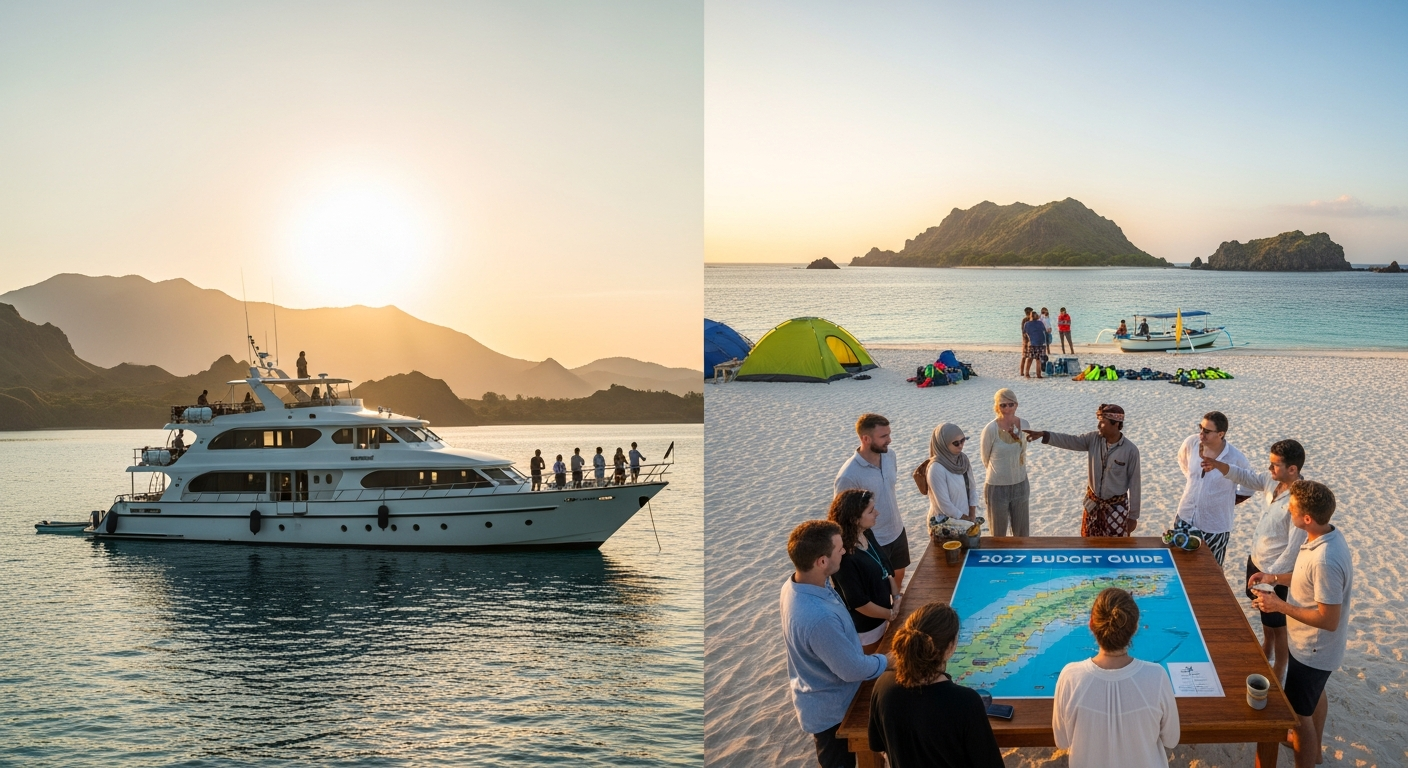
    When considering a destination for 2027, Labuan Bajo and Bali both offer unique experiences for those interested in Komodo dragons and diving. While Bali has long been a popular tourist hub, Labuan Bajo offers exceptional opportunities for wildlife encounters and diving adventures, with dynamic real estate prospects making it an emerging hotspot.

    Labuan Bajo: The Thriving Hub for Komodo Dragons

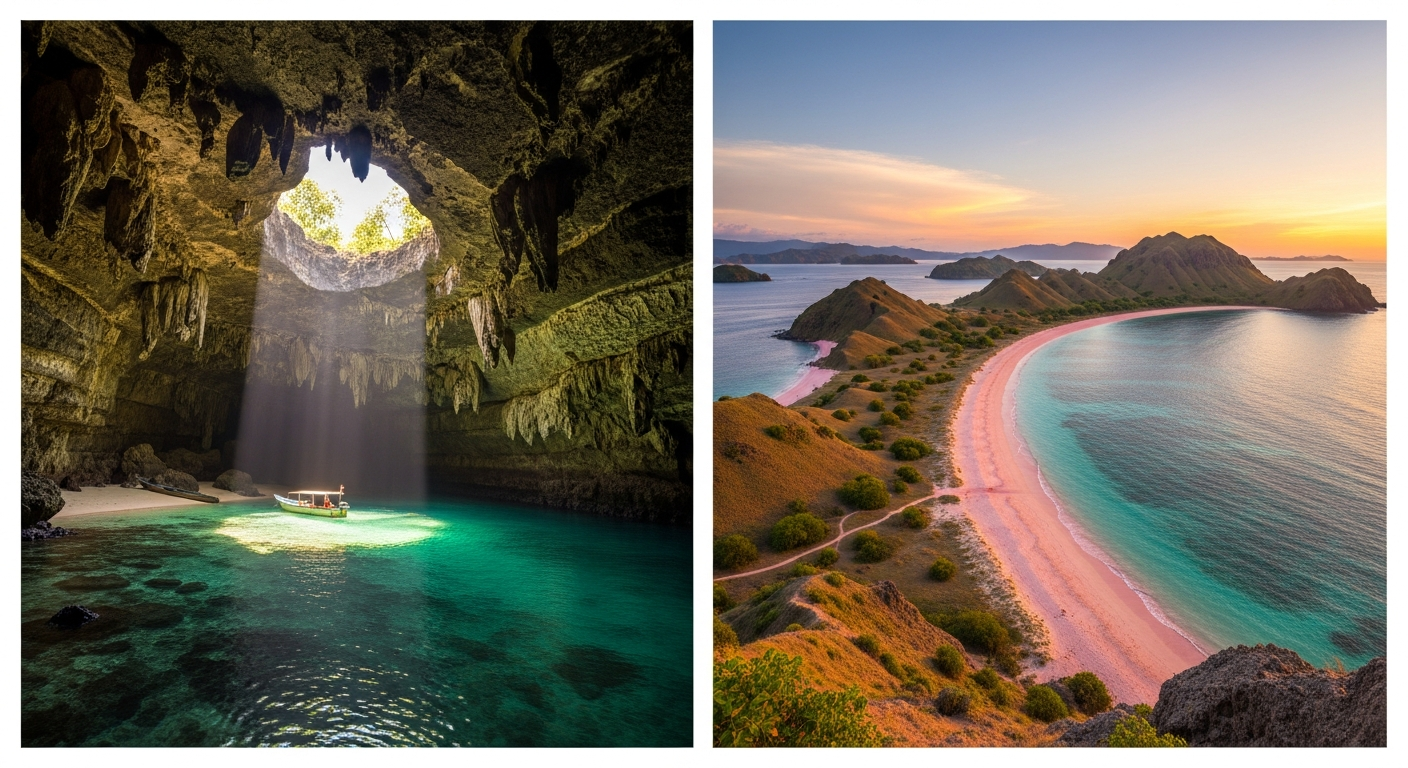
    Labuan Bajo, located on the western tip of Flores Island, serves as the primary access point to the Komodo National Park, home to the renowned Komodo dragons. These creatures are the world’s largest living lizards and can be observed in their natural habitat on the islands of Komodo, Rinca, and Padar. The proximity to these islands is a significant advantage for Labuan Bajo, offering an unparalleled opportunity to witness these prehistoric creatures up close.

    Real estate development in Labuan Bajo capitalizes on its proximity to the Komodo National Park. The region’s real estate market is buoyant, particularly during the dry season from April to October, when tourism peaks. Investors can find opportunities like the Seraya Besar beachfront land, a 40,000 m² freehold plot priced at $336,358, offering potential returns through tourism-driven property appreciation. Additionally, the strategic location enhances the development of eco-friendly resorts that cater to tourists drawn by the unique biodiversity of the park.

    Bali’s Established Tourism and Diving Attractions

    Bali, renowned for its cultural heritage and lively nightlife, also offers diving experiences. Places like Tulamben and Amed are popular for diving, with rich marine biodiversity and shipwreck sites that attract divers worldwide. However, the density of tourists often means these diving spots can be crowded, especially during peak seasons.

    Despite these attractions, Bali’s real estate market is mature, with higher initial investments required compared to Labuan Bajo. The competition for beachfront property is fierce, and while the potential for rental yields exists, the growth rate may not be as rapid as that found in emerging markets like Labuan Bajo. This makes Labuan Bajo a more appealing choice for those looking to invest in tourism-driven real estate. Bali’s real estate, with luxury hotel properties charging between $150 and $500 per night, sees average occupancy rates of around 70%, reflecting a stable yet competitive market.

    Diving in Labuan Bajo: A Growing Attraction

    Labuan Bajo’s underwater landscapes are gaining recognition among diving enthusiasts. The waters here are part of the Coral Triangle, known for its rich marine life and lively coral reefs. Dive sites like Batu Bolong and Manta Point offer diverse marine experiences, from encounters with manta rays to exploring lively coral gardens teeming with marine life.

    For investors, properties like the coastal land in Labuan Bajo designated at IDR 40,031,040,000 provide a strategic vantage for both sunset and sunrise views, enhancing their appeal for eco-conscious tourists looking for sustainable travel experiences centered around diving and marine conservation. The proximity of these sites to the main town, just a short drive from the airport, adds to the location’s allure for international visitors seeking unique diving experiences.

    Investing in Labuan Bajo’s Real Estate

    Labuan Bajo presents lucrative investment opportunities, particularly in the tourism sector. The Warloka premium beachfront land, with a price tag of $5,953,318, signifies the growing demand for high-end, exclusive real estate in the area. Such investments promise significant returns, with annual rental yields for villas ranging between 12–18%, and land appreciation averaging 20–30% per year.

    The region’s strategic development as a Pink Tourism Zone further enhances its attractiveness, drawing international attention and increasing property values. The area’s infrastructure is evolving, with the airport just 5 minutes away from prime real estate locations, facilitating ease of access for international tourists. The combination of increasing tourism and infrastructure developments is pushing property prices upwards, making it an ideal time for investors to enter the market.

    Comparing Real Estate Returns in Bali

    While Bali remains a top tourist destination, its real estate market has reached a level of saturation in some areas, leading to slower growth in property values. Luxury hotel properties in Bali have high occupancy rates, but the competition among hospitality businesses is intense, leading to a narrower margin for profit compared to emerging destinations like Labuan Bajo.

    In contrast, Labuan Bajo’s real estate market is on an upward trajectory, bolstered by its unique offerings such as proximity to Komodo dragons and notable diving locations. Investors looking for high growth potential might find Labuan Bajo’s market dynamics more favorable than Bali’s more established, but slower-growing market. The rise in international tourist visits to Labuan Bajo is driving up demand for accommodations, fostering a thriving real estate sector with promising returns.

    Future Prospects: Labuan Bajo vs. Bali

    Looking forward to 2027, Labuan Bajo is poised to emerge as a top destination, thanks to its strategic initiatives and investment in tourism infrastructure. The local government’s efforts to promote sustainable tourism and real estate development ensure that Labuan Bajo will not only attract nature enthusiasts but also savvy investors looking for high returns on investment.

    Bali will continue to thrive as a cultural and tourism hub due to its established infrastructure and global recognition. However, for those willing to pioneer in a burgeoning market with significant upside potential, Labuan Bajo offers a compelling alternative, particularly for investors and travelers interested in exclusive wildlife experiences and immersive diving adventures. The focus on eco-tourism and sustainable development further underscores Labuan Bajo’s commitment to preserving its unique environment while fostering economic growth.

    Luxury Accommodations and Tourism in Labuan Bajo

    As Labuan Bajo grows in popularity, luxury accommodations are becoming increasingly prevalent. High-end resorts and boutique hotels are setting up along the notable beaches, offering opulent stays with prices ranging from $150 to $500 per night. These establishments provide tourists with exceptional services, often including guided tours to the nearby Komodo National Park and diving excursions.

    The burgeoning tourism industry is supported by a steady influx of visitors during the peak dry season, which runs from April to October. During this time, occupancy rates for luxury accommodations often exceed 70%, showcasing the strong demand for upscale lodging options. The development of these luxury properties not only boosts the local economy but also enhances Labuan Bajo’s reputation as a premier destination for affluent travelers seeking exclusive experiences.

    FAQs

    Q? Is Labuan Bajo better than Bali for seeing Komodo dragons? A: Yes, Labuan Bajo is the access point to Komodo National Park, offering easy access to view Komodo dragons in their natural habitat, which is an experience not available in Bali.

    Q? How does diving in Labuan Bajo compare to Bali? A: Labuan Bajo offers less crowded diving spots with rich biodiversity, part of the Coral Triangle, making it an attractive option for those seeking a unique diving experience away from Bali’s busier dive sites.

    Q? Are real estate investments in Labuan Bajo more profitable than in Bali? A: Currently, Labuan Bajo offers higher growth rates in land appreciation and rental yields, making it a potentially more profitable investment compared to the more saturated market in Bali.


    For wider arrangements, our partner labuanbajoluxury can coordinate end to end.

    See also: How to Plan a 3-Day Komodo Island & Padar Trek Itinerary from Labuan Bajo for 2027, Complete Cost Breakdown: Live-Aboard vs. Land Tour Prices in Labuan Bajo for 2027 (2027 Budget Guide) · Home.